Chip Kelly to the 49ers.
Doug Pederson to the Eagles.
And Andy Reid to the Divisional Playoffs again.
Chip Kelly to the 49ers.
Doug Pederson to the Eagles.
And Andy Reid to the Divisional Playoffs again.
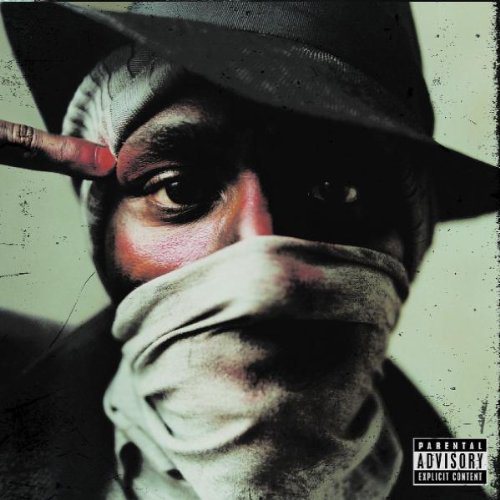
Welcome back to the latest edition of Flashback Friday Flop, a weekly feature in which I examine a hip-hop album from years ago that was considered a flop, either critically or commercially or both, when it was released and see if it has gotten better – or worse – over time.
There’s never been a question about the talent of Yasiin Bey, the man formerly known as Mos Def. The dude can rap, sing, act, do comedy, anything.
His choices, however, have not always been so unimpeachable.

Welcome back to the latest edition of Flashback Friday Flop, a weekly feature in which I examine a hip-hop album from years ago that was considered a flop, either critically or commercially or both, when it was released and see if it has gotten better – or worse – over time.
In hindsight, it’s fascinating to look back and see how quickly hip-hop changed from 1997 to 1999. Yes, the culture shifted when 2Pac and The Notorious B.I.G. were murdered within about a half-year of one another, but I’m talking about what happened after that.
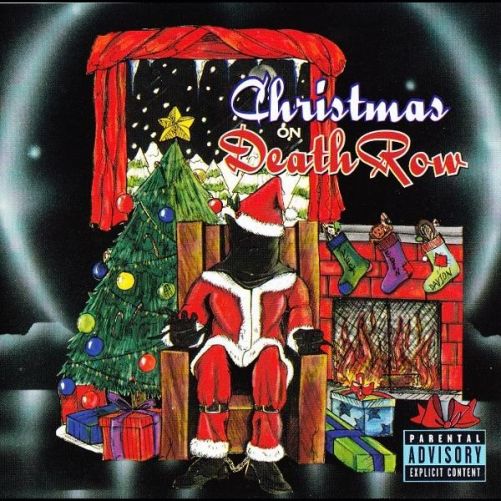
Welcome back to the latest edition of Flashback Friday Flop, a weekly feature in which I examine a hip-hop album from years ago that was considered a flop, either critically or commercially or both, when it was released and see if it has gotten better – or worse – over time.
By December of 1996, the once formidable Death Row Records was crumbling. Over the course of just a few months, Dr. Dre had defected, 2Pac had been killed, Suge Knight was sent to prison, and Snoop Doggy Dogg’s highly anticipated second album was a major disappointment.

I recognized the look immediately.

“Hearing me is like hearing G Rap in his prime”
– Jay-Z, “Encore”
If there were a Mount Rushmore of pre-’90s, Golden Era hip-hop, the four heads would belong to Rakim, KRS-One, Big Daddy Kane, and Kool G Rap. While the first three are often referenced, it unfortunately seems like many casual fans are unaware of how truly great and important G Rap was, even though he has been mentioned as an influence to an entire generation of emcees, including the greats like Nas, Eminem, Big Pun, Jay-Z, and others.
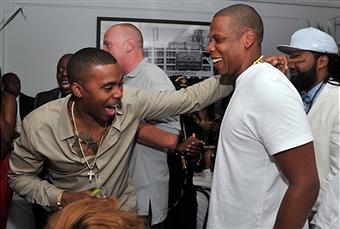
For my latest piece on The Musical Outcast, I look at hip-hop enemies that reconciled and worked together.
Christopher Pierznik is the author of eight books, all of which can be purchased in paperback and Kindle. His work has appeared on XXL, Cuepoint, Business Insider, The Cauldron, and many more. He has been quoted on Buzzfeed and Deadspin. Subscribe to his monthly reading review newsletter or follow him on Facebook or Twitter.

This is the latest entry of Flashback Friday Flop, a weekly feature in which I will examine a hip-hop album from years ago that was considered a flop, either critically or commercially or both, when it was released and see if it has gotten better – or worse – over time.
I make no secret of my devotion to all things Wu-Tang. I’ve studied their albums, their synergies, and even made it a point to be there to drink a beer dedicated to them.
But I’m also a realest, an honest disciple, and I’ll be the first to tell you that the Wu has had some rough times. Neither 8 Diagrams or A Better Tomorrow were good and it looks like they’ve become the hip-hop version of The Rolling Stones: no one wants to hear their new stuff but people will still pay money to see them perform their classics live.
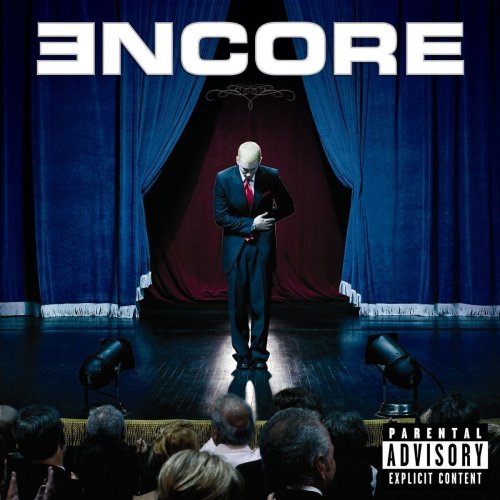
Welcome back to the latest edition of Flashback Friday Flop, a weekly feature in which I examine a hip-hop album from years ago that was considered a flop, either critically or commercially or both, when it was released and see if it has gotten better – or worse – over time.
By 2004, Eminem was at the height of his fame and notoriety. Over the previous four years, he had released two Grammy-winning, RIAA-certified diamond albums (at least 10 million copies sold in the U.S. alone) and starred in a commercially and critically successful film loosely based on his own life and also executive produced its soundtrack, which included one of the greatest hip-hop songs in history, one for which he won an Academy Award (“Lose Yourself”). He had also become a label head, founding Shady Records and overseeing releases from D12, Obie Trice, and rap’s newest superstar, 50 Cent.

My daughter is only three, but I often worry about her.
 The Passion of Christopher Pierznik