
Technically speaking, Dr. Dre and Snoop Doggy Dogg have never made an album together.
Technically speaking, Dr. Dre and Snoop Doggy Dogg have never made an album together.

Documentaries – unfairly – have long been seen as a snob’s film of choice.

Let us all bow our heads and take a moment to remember the hip-hop soundtrack.
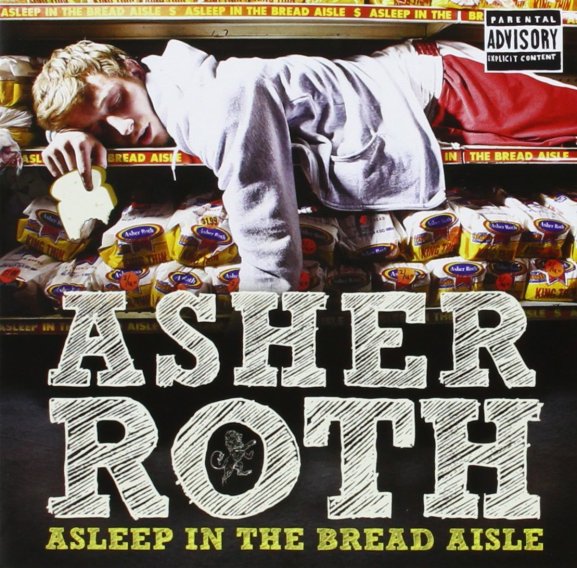
Welcome back to the latest edition of Flashback Friday Flop, a weekly feature in which I examine a hip-hop album from years ago that was considered a flop, either critically or commercially or both, when it was released and see if it has gotten better – or worse – over time.
Asher Roth was supposed to be next.
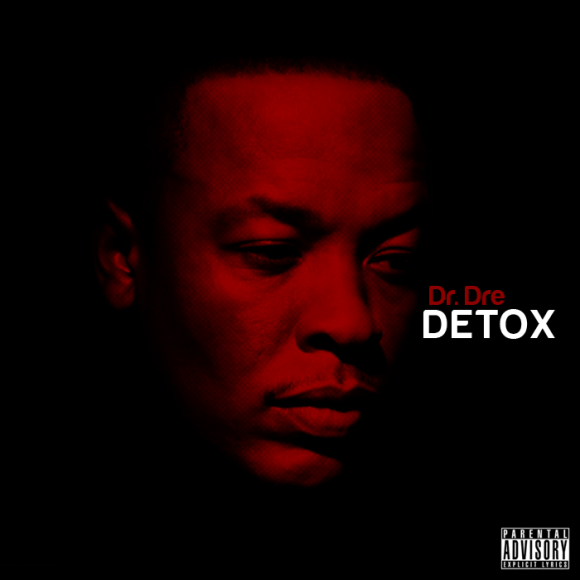
After two classics and sixteen years of rumors, Dr. Dre’s highly anticipated and long-awaited third album was released last summer.
Only it’s not Detox.
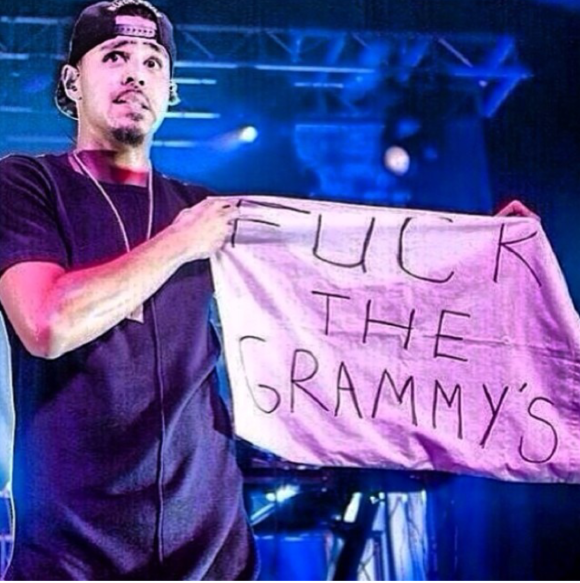
Much like the NBA, the Grammys have a complicated relationship with hip-hop. Decisions like Young MC’s “Bust a Move” winning over Public Enemy’s “Fight the Power” have led many to believe that those who vote on the Grammys have no clue about real hip-hop.
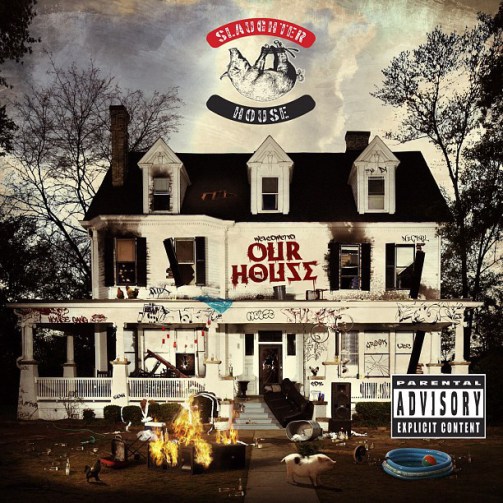
Welcome back to the latest edition of Flashback Friday Flop, a weekly feature in which I examine a hip-hop album from years ago that was considered a flop, either critically or commercially or both, when it was released and see if it has gotten better – or worse – over time.
I’m a Slaughterhouse fanatic. I really, really like Joe Budden, Royce Da 5’9″, Joell Ortiz, and Crooked I as individual artists, but I love them as a group. Unfortunately, their aggressive, super lyrical content would be more at home in the late ’80s or early ’90s, so I’m one of about 29 people that went out and purchased their debut self-titled album in 2009.
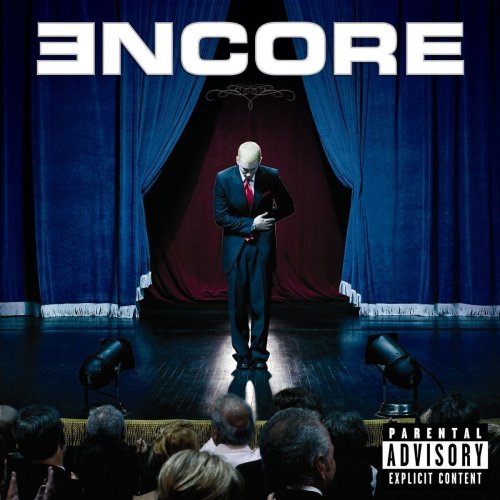
Welcome back to the latest edition of Flashback Friday Flop, a weekly feature in which I examine a hip-hop album from years ago that was considered a flop, either critically or commercially or both, when it was released and see if it has gotten better – or worse – over time.
By 2004, Eminem was at the height of his fame and notoriety. Over the previous four years, he had released two Grammy-winning, RIAA-certified diamond albums (at least 10 million copies sold in the U.S. alone) and starred in a commercially and critically successful film loosely based on his own life and also executive produced its soundtrack, which included one of the greatest hip-hop songs in history, one for which he won an Academy Award (“Lose Yourself”). He had also become a label head, founding Shady Records and overseeing releases from D12, Obie Trice, and rap’s newest superstar, 50 Cent.
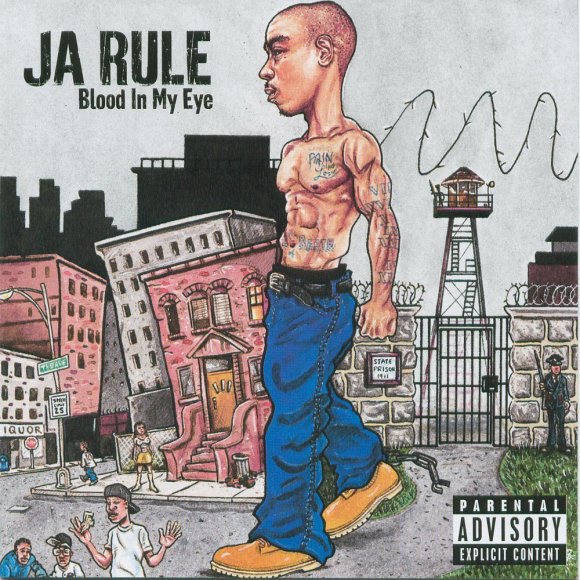
Welcome back to the latest edition of Flashback Friday Flop, a weekly feature in which I examine a hip-hop album from years ago that was considered a flop, either critically or commercially or both, when it was released and see if it has gotten better – or worse – over time.
From 1999 – 2002, Ja Rule released four albums, all of which went platinum with two of them reaching triple platinum status. He mixed the street with the charts and became a hit machine, breaking through into the mainstream with 2000’s “Put It On Me.” His combination of singing and rapping helped bridge two separate styles that often needed a collaboration to pull it off. Ja could do it on his own.

I’m always interested in an artist’s process – where they work, how they develop ideas, what tools and technology they use. Looking at Eminem’s pages, I’m fascinated how these turn into fully formed songs.
 The Passion of Christopher Pierznik