Categories
Flashback Friday Flop

Flashback Friday Flop: “For All Seasons”

51J6n7jMdoL (2)

Welcome back to the latest edition of Flashback Friday Flop, a weekly feature in which I examine a hip-hop album from years ago that was considered a flop, either critically or commercially or both, when it was released and see if it has gotten better – or worse – over time. 

This week: Nature’s For All Seasons (2000)

The first time many people heard of Nature was when he replaced Cormega as the fourth member of The Firm in 1997. While that project fell far short of expectations, it did debut atop the Billboard 200 and would eventually be certified platinum, exposing fans of Nas, AZ, and Foxy Brown, to this young spitter who performed admirably, even if he was unable to steal the show.

Categories
Flashback Friday Flop

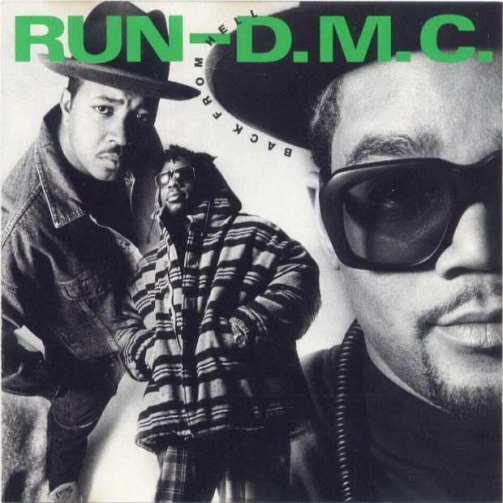
Flashback Friday Flop: “Back from Hell”

run-dmc-back-from-hell-back-n-the-day-buffet

Welcome back to the latest edition of Flashback Friday Flop, a weekly feature in which I examine a hip-hop album from years ago that was considered a flop, either critically or commercially or both, when it was released and see if it has gotten better – or worse – over time. 

This week: Run-DMC’s Back from Hell (1990)

A valid argument could be made that Run-DMC is the most important act in hip-hop history. They influenced so much of the culture, from the sound to the look and, in the process, became one of the first prominent rap artists to be featured on mainstream media, most especially MTV. Their 1986 crossover smash “Walk This Way” with Steven Tyler and Joe Perry not only revitalized Aerosmith, but also became a landmark in hip-hop, becoming the first rap song to reach the top five of the Billboard 100 (peaking at number four).

Categories
Flashback Friday Flop

Flashback Friday Flop: “A Better Tomorrow”

music-review-wu-tang-clan-2a6c742b289babfa

Welcome back to the latest edition of Flashback Friday Flop, a weekly feature in which I examine a hip-hop album from years ago that was considered a flop, either critically or commercially or both, when it was released and see if it has gotten better – or worse – over time. 

This week: Wu-Tang Clan’s A Better Tomorrow (2014)

In the twenty-plus years since arriving on the scene, the members of Wu-Tang Clan have released about 50 albums, both as a group and as individual solo artists. Depending on the criteria used (does Cappadonna count? What about Redman & Method Man albums? How about Czarface?) that number can rise significantly. Of those 50, some are undeniable classics.

Categories
Flashback Friday Flop

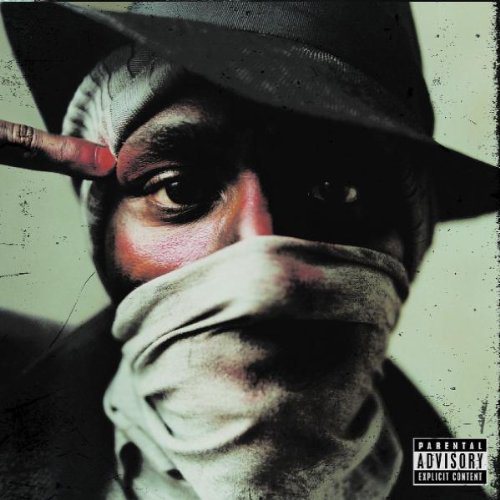
Flashback Friday Flop: “The New Danger”

514nkf7v15l

Welcome back to the latest edition of Flashback Friday Flop, a weekly feature in which I examine a hip-hop album from years ago that was considered a flop, either critically or commercially or both, when it was released and see if it has gotten better – or worse – over time. 

This week: Mos Def’s The New Danger (2004)

There’s never been a question about the talent of Yasiin Bey, the man formerly known as Mos Def. The dude can rap, sing, act, do comedy, anything.

His choices, however, have not always been so unimpeachable.

Categories
Flashback Friday Flop

Flashback Friday Flop: “Double Up”

51f7ew-yrpl

Welcome back to the latest edition of Flashback Friday Flop, a weekly feature in which I examine a hip-hop album from years ago that was considered a flop, either critically or commercially or both, when it was released and see if it has gotten better – or worse – over time. 

This week: Mase’s Double Up (1999)

In hindsight, it’s fascinating to look back and see how quickly hip-hop changed from 1997 to 1999. Yes, the culture shifted when 2Pac and The Notorious B.I.G. were murdered within about a half-year of one another, but I’m talking about what happened after that.

Categories
Flashback Friday Flop

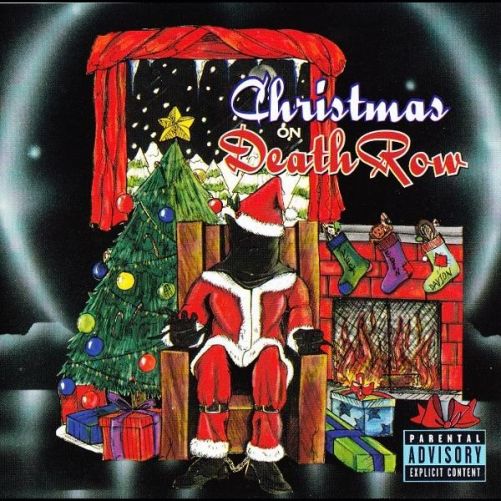
Flashback Friday Flop: “Christmas on Death Row”

Christmas-On-Death-Row-2-picture

Welcome back to the latest edition of Flashback Friday Flop, a weekly feature in which I examine a hip-hop album from years ago that was considered a flop, either critically or commercially or both, when it was released and see if it has gotten better – or worse – over time. 

This week: Christmas on Death Row (1996)

By December of 1996, the once formidable Death Row Records was crumbling. Over the course of just a few months, Dr. Dre had defected, 2Pac had been killed, Suge Knight was sent to prison, and Snoop Doggy Dogg’s highly anticipated second album was a major disappointment.

Categories
Flashback Friday Flop

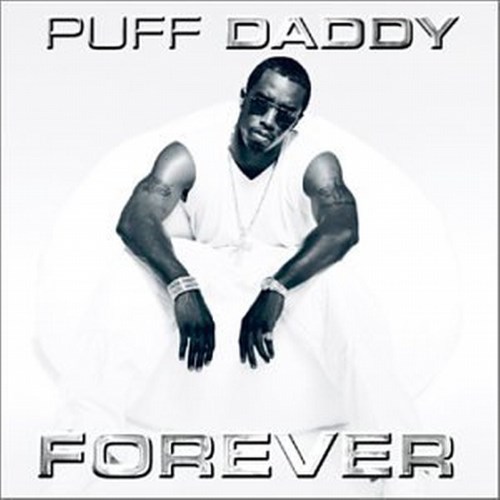
Flashback Friday Flop: “Forever”

4ever

Welcome back to the latest edition of Flashback Friday Flop, a weekly feature in which I examine a hip-hop album from years ago that was considered a flop, either critically or commercially or both, when it was released and see if it has gotten better – or worse – over time. 

This week: Puff Daddy’s Forever (1999)

In 1997, Puff Daddy ran hip-hop and, to an extent, all of popular music. That year, his label, Bad Boy Records, released three albums – The Notorious B.I.G.’s Life After Death (10 million sold), Mase’s Harlem World (4 million), and No Way Out (7 million), courtesy of Puff Daddy and the Family – that combined to sell twenty-one million copies and birthed the Shiny Suit Era. As Suge Knight had predicted, the CEO became the star.

But his reign on the top was short like leprechauns.

Categories
Flashback Friday Flop

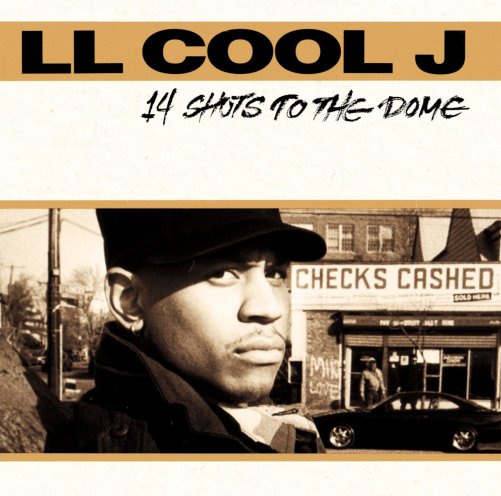
Flashback Friday Flop: “14 Shots to the Dome”

14

Welcome back to the latest edition of Flashback Friday Flop, a weekly feature in which I examine a hip-hop album from years ago that was considered a flop, either critically or commercially or both, when it was released and see if it has gotten better – or worse – over time. 

This week: LL Cool J’s 14 Shots to the Dome (1993)

LL Cool J has had one of the longest, greatest, and most complicated careers in hip-hop history. As I wrote on the 30th anniversary of his debut album: “His first twelve albums all went gold or better, with seven of the first eight going platinum. He’s had nine albums reach the top ten of the Billboard 200. He’s had four platinum and six gold singles with six top ten hits on the Billboard Hot 100 and two more as a featured artist. His albums have been in the top 25 on the Billboard 200 chart in four different decades and have gone platinum in three different decades. He’s been nominated for nine Grammy awards, of which he won two, and also received the MTV Video Vanguard Award. He’s a legend.

Categories
Flashback Friday Flop

Flashback Friday Flop: “Immobilarity”

IMM

This is the latest entry of Flashback Friday Flop, a weekly feature in which I will examine a hip-hop album from years ago that was considered a flop, either critically or commercially or both, when it was released and see if it has gotten better – or worse – over time.

This week: Raekwon’s Immobilarity (1999)

I make no secret of my devotion to all things Wu-Tang. I’ve studied their albums, their synergies, and even made it a point to be there to drink a beer dedicated to them.

But I’m also a realest, an honest disciple, and I’ll be the first to tell you that the Wu has had some rough times. Neither 8 Diagrams or A Better Tomorrow were good and it looks like they’ve become the hip-hop version of The Rolling Stones: no one wants to hear their new stuff but people will still pay money to see them perform their classics live.

Categories
Flashback Friday Flop

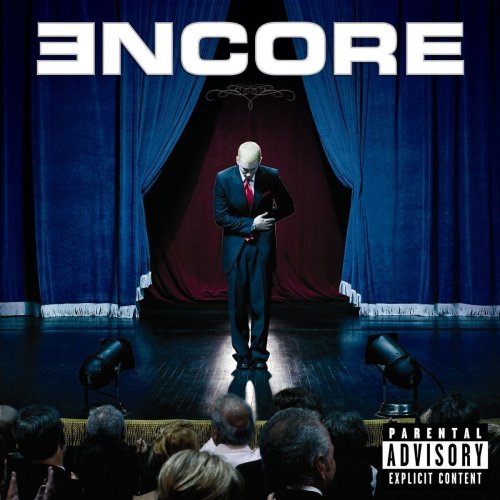
Flashback Friday Flop: “Encore”

E

Welcome back to the latest edition of Flashback Friday Flop, a weekly feature in which I examine a hip-hop album from years ago that was considered a flop, either critically or commercially or both, when it was released and see if it has gotten better – or worse – over time. 

This week: Eminem’s Encore (2004)

By 2004, Eminem was at the height of his fame and notoriety. Over the previous four years, he had released two Grammy-winning, RIAA-certified diamond albums (at least 10 million copies sold in the U.S. alone) and starred in a commercially and critically successful film loosely based on his own life and also executive produced its soundtrack, which included one of the greatest hip-hop songs in history, one for which he won an Academy Award (“Lose Yourself”). He had also become a label head, founding Shady Records and overseeing releases from D12, Obie Trice, and rap’s newest superstar, 50 Cent.