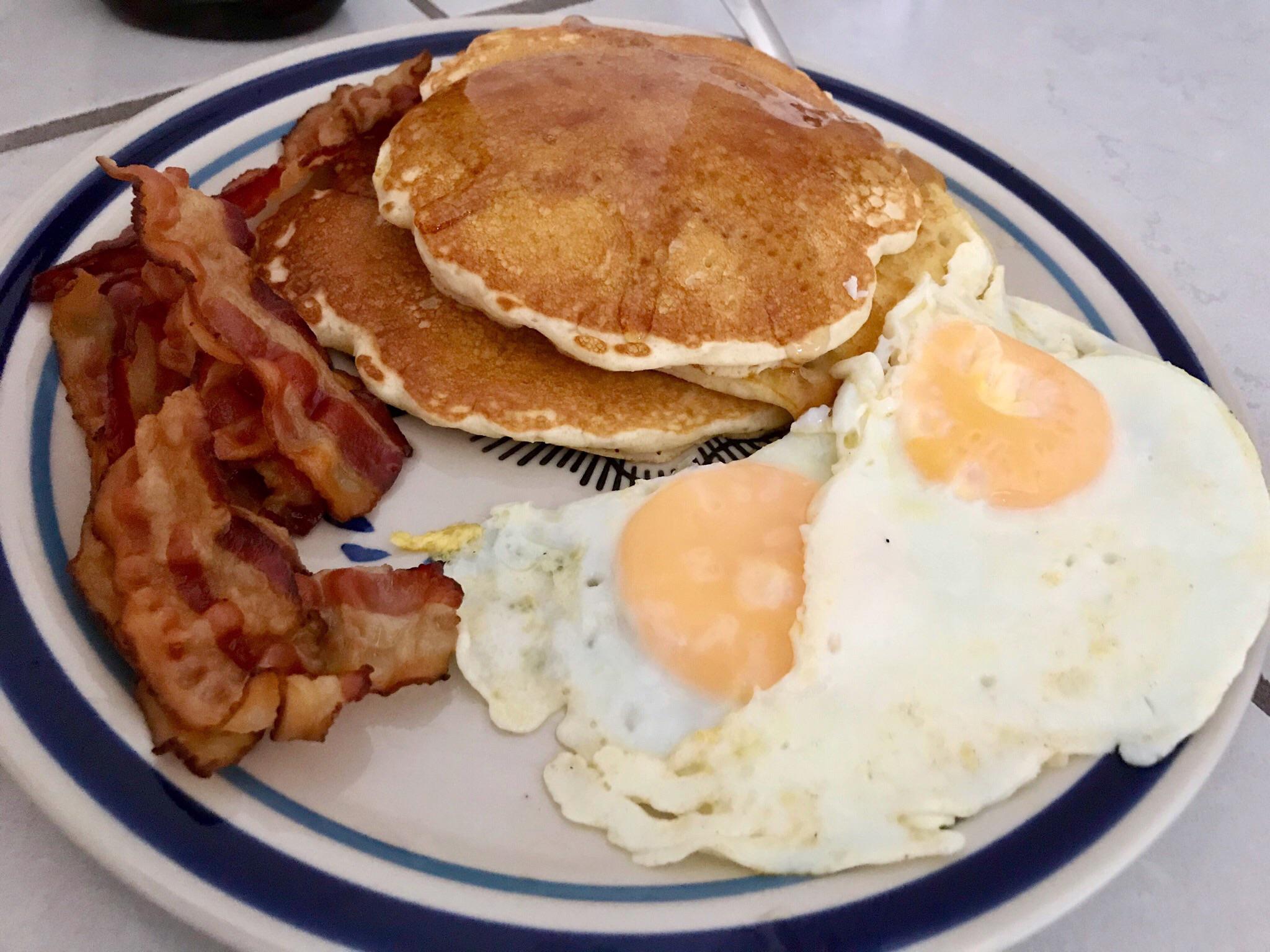
“It’s not the cooking that is the problem; it’s the deciding of what to cook that’s the problem.”
That is how my wife describes the daily struggle of deciding what to make for dinner every single night.
Christopher Pierznik is the author of 9 books and has contributed to numerous websites on a variety of topics including music, sports, movies, TV, personal finance, and life. He works in corporate finance and lives in northern New Jersey with his family. His dream is to one day be a member of the Wu-Tang Clan.
“It’s not the cooking that is the problem; it’s the deciding of what to cook that’s the problem.”
That is how my wife describes the daily struggle of deciding what to make for dinner every single night.

I began playing organized basketball at the age of six. As a third grader, I was with the fifth and sixth graders; in fifth grade, I was playing with the middle school kids. I continued playing through my senior year of high school.

What is the best film of all time?
Most film scholars (and wanna-be film scholars) proclaim that it’s Citizen Kane, Orson Welles’s 1941 masterpiece that inarguably changed filmmaking forever. Casablanca, Lawrence of Arabia, The Godfather, and Gone with the Wind are often in the conversation as well.
Excluding The Godfather, how many times have you heard someone mention one of those films as their absolute favorite? How many are populating a casual filmgoer’s top five? How many Lawrence of Arabia conversations have you experienced in your life?
Yesterday, I posted my review of Dilla Time Dan Charnas.
Today, I thought I’d explain how I review books.

For the most part, whenever I heard a J Dilla (previously known as Jay Dee) beat, it sounded…off, wrong, maybe even sloppy. I couldn’t totally follow it. I wanted to like it, but I couldn’t fully appreciate it. It made me feel a bit discombobulated.
Only much later did I realize that was the intention. Dilla was not only reinventing what was known, he was inventing what was previously unknown.
As Dan Charnas writes, “What Dilla created was a third path of rhythm, juxtaposing those two time-feels [straight time and swing time], even and uneven simultaneously, creating a new, pleasurable, disorienting rhythmic friction and a new time-feel: Dilla Time.”
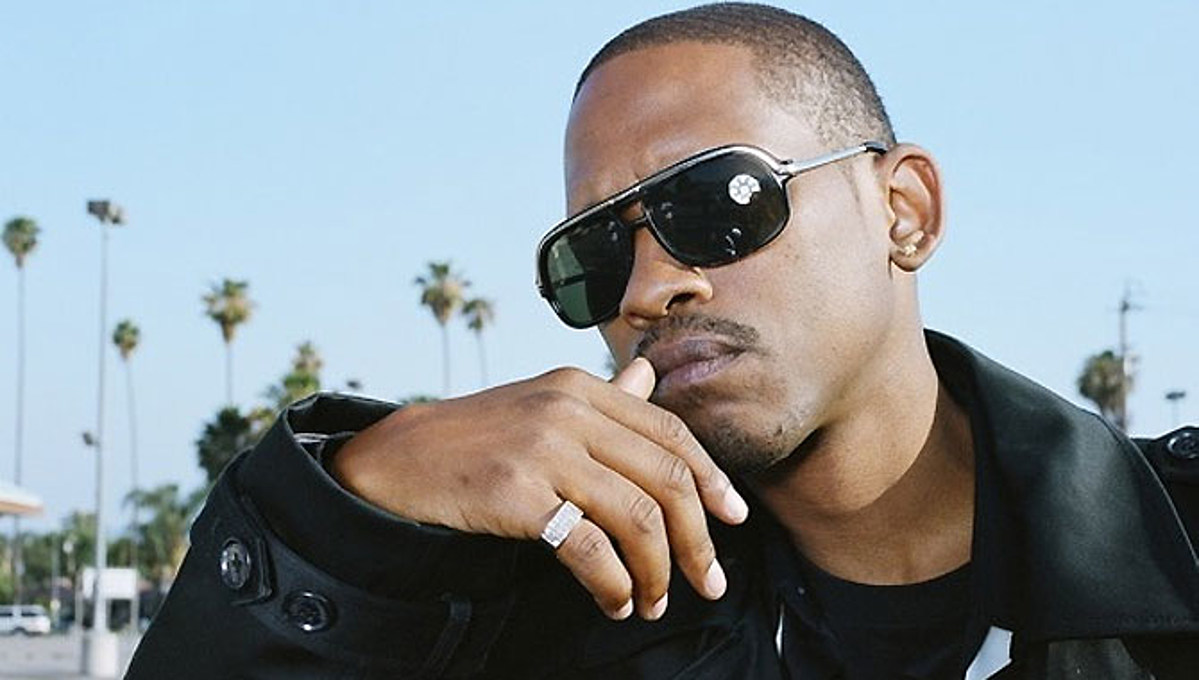
What would happen if the lyricism of Rakim was combined with the vivid street tales of Kool G. Rap and the style of a young Snoop Doggy Dogg?
The outcome would be one Ricardo Brown, better known to the world as Kurupt.
“I ruined Christmas!”
The tears burst from my nine-year-old’s eyes as she blamed herself for the ramifications of a global pandemic that has lasted for three years. All kids go crazy for Christmas, of course, but my daughter is certainly in the highest percentile of Santa fanatics, so having her holiday plans dashed was especially difficult.

This is the post where I lay out the best things I wrote this year. Maybe, in a year like this when my productivity was lower, it might include everything I wrote. We’ll never know (don’t check).

As the Wu-Tang Clan has transitioned into elder statemen of rap where a majority fans want to hear thirty year old classics instead of anything recorded lately, there has been a renewed interest into their superhero origin story. In recent years, the incredible and unprecedented story of the nine-(sometimes ten-)man crew’s ascension from the front of the project building to the top of the hip-hop world has been told multiple times in multiple formats, including a Showtime documentary, a Hulu scripted series, and a pile of books courtesy of both journalists (Chamber Music; From the Streets of Shaolin), and some the group’s members themselves (RZA’s The Wu-Tang Manual and The Tao of Wu; U-God’s Raw: My Journey into the Wu-Tang).

Film adaptations are tricky. How can you boil down 400 or more pages of story, themes, and character development into a two hour film without losing the impact of what was on the page?
Anyone that has had their favorite book turned into a movie knows the feeling of being simultaneously excited and anxious, hopeful and terrified, at what the outcome will be.
Now it’s my turn, as the film adaptation of The Tender Bar, the book that completely changed my life, is set to be released in theaters and on Amazon Prime Video.

 The Passion of Christopher Pierznik