Categories
Flashback Friday Flop

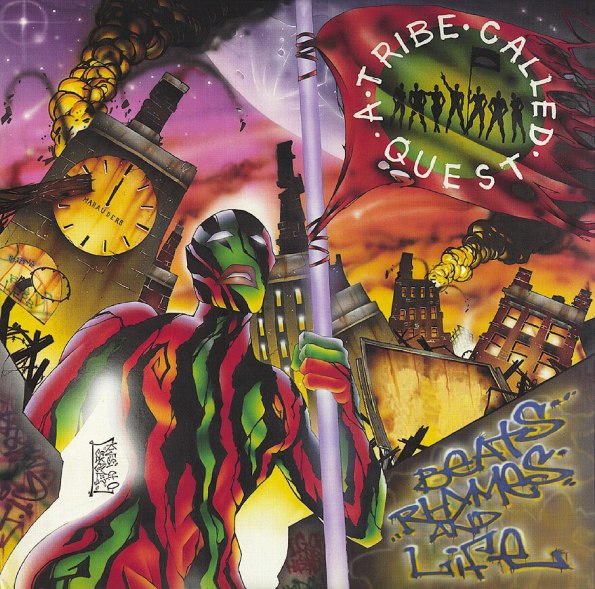
Flashback Friday Flop: “Beats, Rhymes and Life”

BRL

Welcome back to the latest edition of Flashback Friday Flop, a weekly feature in which I examine a hip-hop album from years ago that was considered a flop, either critically or commercially or both, when it was released and see if it has gotten better – or worse – over time. 

This week: A Tribe Called Quest’s Beats, Rhymes and Life (1996)

Last week, one of hip-hop’s greatest groups, A Tribe Called Quest, reunited on The Tonight Show with Jimmy Fallon and, with help from The Roots, performed their classic “Can I Kick It?” All four original members – Q-Tip, Phife Dawg, Ali Shaheed Muhammad, and Jarobi – performed together.

That song comes from their debut, People’s Instinctive Travels and the Paths of Rhythm, which came out 25 years ago (the reason for the reunion). They followed that up with two undeniable classics, 1991’s The Low End Theory and Midnight Marauders in 1993.

Categories
Flashback Friday Flop

Flashback Friday Flop: “Can-I-Bus”

can-i-bus-51fc284b28bb2

Welcome back to the latest edition of Flashback Friday Flop, a weekly feature in which I examine a hip-hop album from years ago that was considered a flop, either critically or commercially or both, when it was released and see if it has gotten better – or worse – over time. 

This week: Canibus’s Can-I-Bus (1998)

Towards the end of 1997, hip-hop was entering a transition phase, digging itself out of the rubble left behind in the wake of the East Coast-West Coast war that altered the genre forever. The deaths of 2Pac and B.I.G., Snoop’s decline, and the dominance of Puff’s shiny suit army left an opening for new artists.

Categories
Flashback Friday Flop

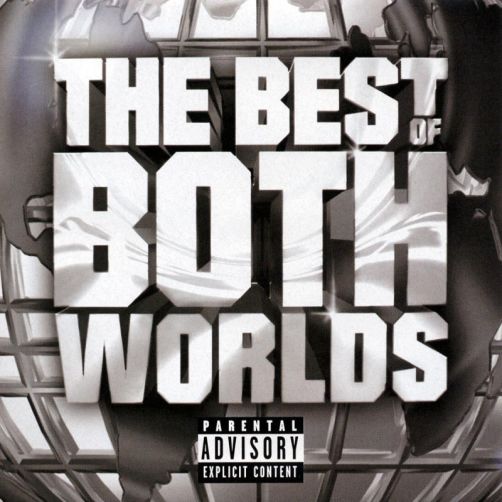
Flashback Friday Flop: “The Best of Both Worlds”

BW

Welcome back to the latest edition of Flashback Friday Flop, a weekly feature in which I examine a hip-hop album from years ago that was considered a flop, either critically or commercially or both, when it was released and see if it has gotten better – or worse – over time. 

This week: Jay-Z & R. Kelly’s

The Best of Both Worlds (2002)

In May, 2001 Jay-Z kicked off the remix to R. Kelly’s “Fiesta.” It was a great record, one that became the most popular R&B/Hip-Hop song of 2001 according to Billboard. The two had worked together several times before that. First, they had linked up, along with Changing Faces, for “All of My Days” off the Space Jam soundtrack in 1996, as well as a posse cut, “We Ride,” alongside Cam’Ron, Noreaga, and Vegas Cats on Kelly’s 1998 double album, R. before working on “Guilty Until Proven Innocent” from Jay’s 2000 album, The Dynasty: Roc La Familia album.

Categories
Flashback Friday Flop

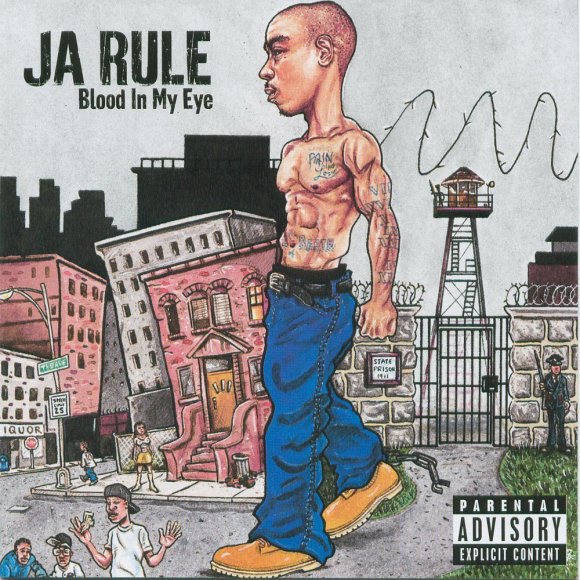
Flashback Friday Flop: “Blood in My Eye”

100

Welcome back to the latest edition of Flashback Friday Flop, a weekly feature in which I examine a hip-hop album from years ago that was considered a flop, either critically or commercially or both, when it was released and see if it has gotten better – or worse – over time. 

This week: Ja Rule’s Blood in My Eye (2003)

From 1999 – 2002, Ja Rule released four albums, all of which went platinum with two of them reaching triple platinum status. He mixed the street with the charts and became a hit machine, breaking through into the mainstream with 2000’s “Put It On Me.” His combination of singing and rapping helped bridge two separate styles that often needed a collaboration to pull it off. Ja could do it on his own.

Categories
Flashback Friday Flop

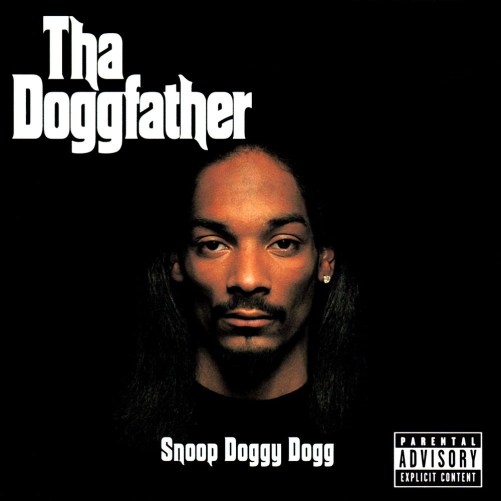
Flashback Friday Flop: “Tha Doggfather”

DGF

This is the first entry of Flashback Friday Flop, a weekly feature in which I will examine a hip-hop album from years ago that was considered a flop, either critically or commercially or both, when it was released and see if it has gotten better – or worse – over time. I’ve done this sort of thing before – regarding The Firm album back in 2012 as well as a book defending a few artists and projects that I feel were overlooked, but these projects will all be new territory for me.

This week: Snoop Doggy Dogg’s Tha Doggfather (1996)

It’s clear that Dr. Dre saw what was coming. He left Death Row Records, the label he co-founded, with no equipment, no masters, no artists, nothing. That was the price he paid to be allowed to leave his own company. And he did it willingly.

Among the people he left behind was his star protégé, Snoop Doggy Dogg, who had just been acquitted of murder and was prepping his long-awaited and highly-anticipated second album.