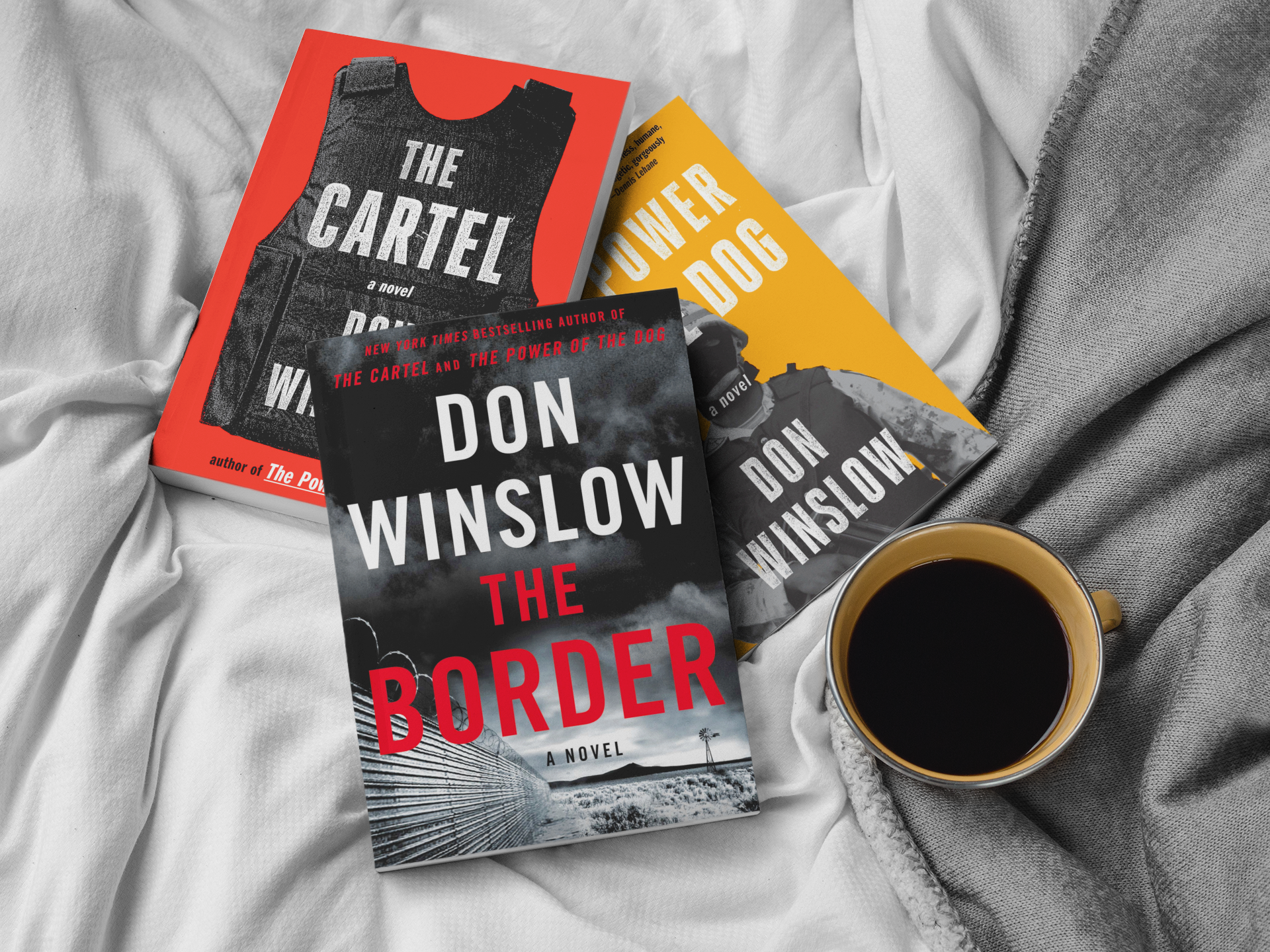
“You don’t read these books; you live in them.”
– Janet Maslin, The New York Times
Most novels are not good.
Most novels are not good.
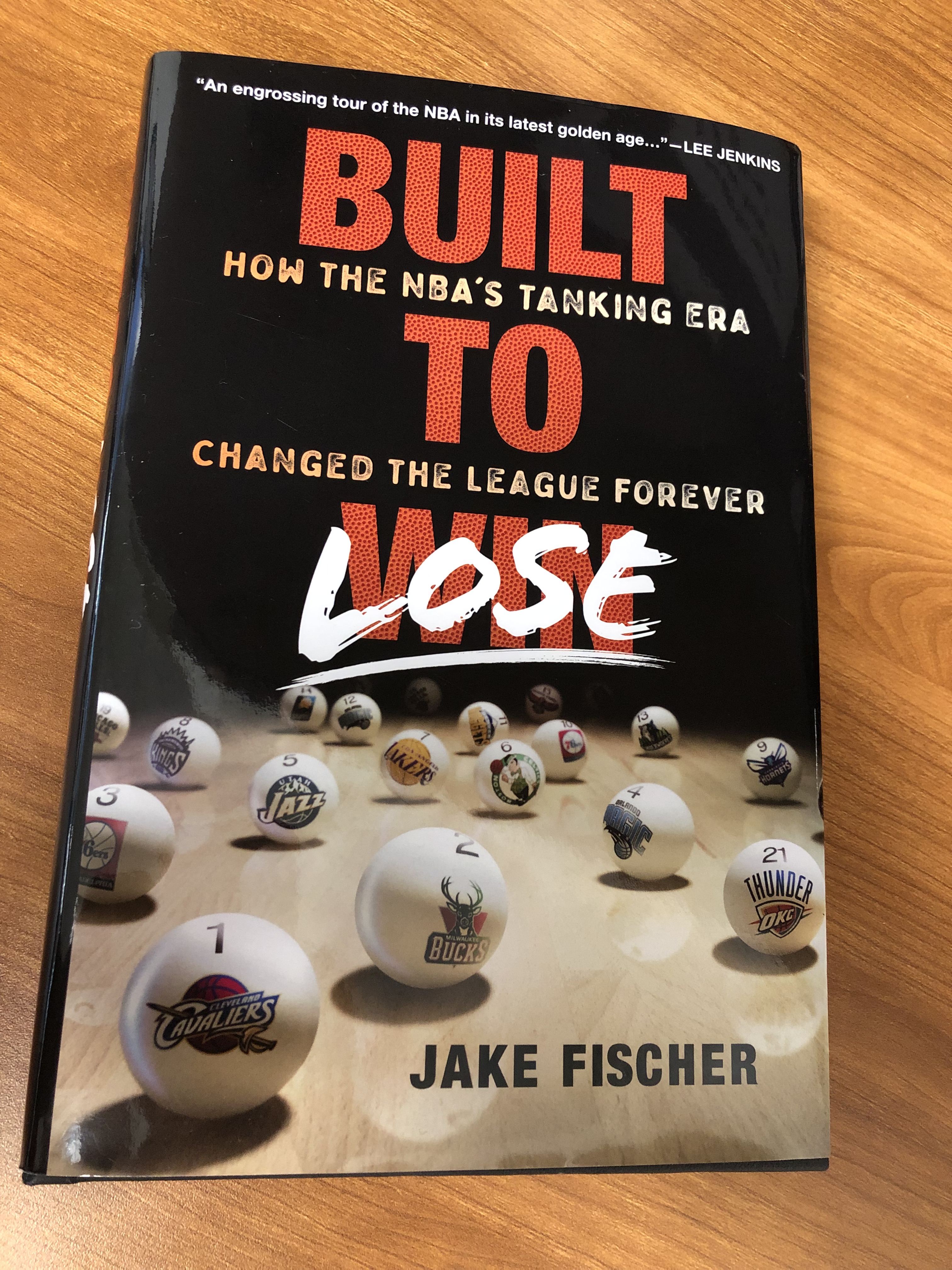
Here’s a riddle: When is losing the best way to win?
The answer, for a long time, was the NBA Draft, as teams that lost – sometimes purposely – were rewarded with a chance to choose the best players coming into the league.
I’m unashamed to be a John Grisham fanatic.
While his work has been derided as “legal thrillers [that] are no more mentally taxing – or unpredictable – than fairy tales,” I enjoy them. Well, most of them. Some are quite bad, but there are a few that are actually very good. Most fall somewhere between the two. I usually read biographies and other works of nonfiction, but Grisham is like a reading vacation for me. I don’t have to read with a pen in my hand or work to untangle the density of the prose, and I love his pacing. Also, I listen to his audiobooks as background noise while working or doing things around the house.
As not only a Grisham superfan, but also the internet’s expert on all his books, I decided to take a look at how a live-action Grisham universe could look.
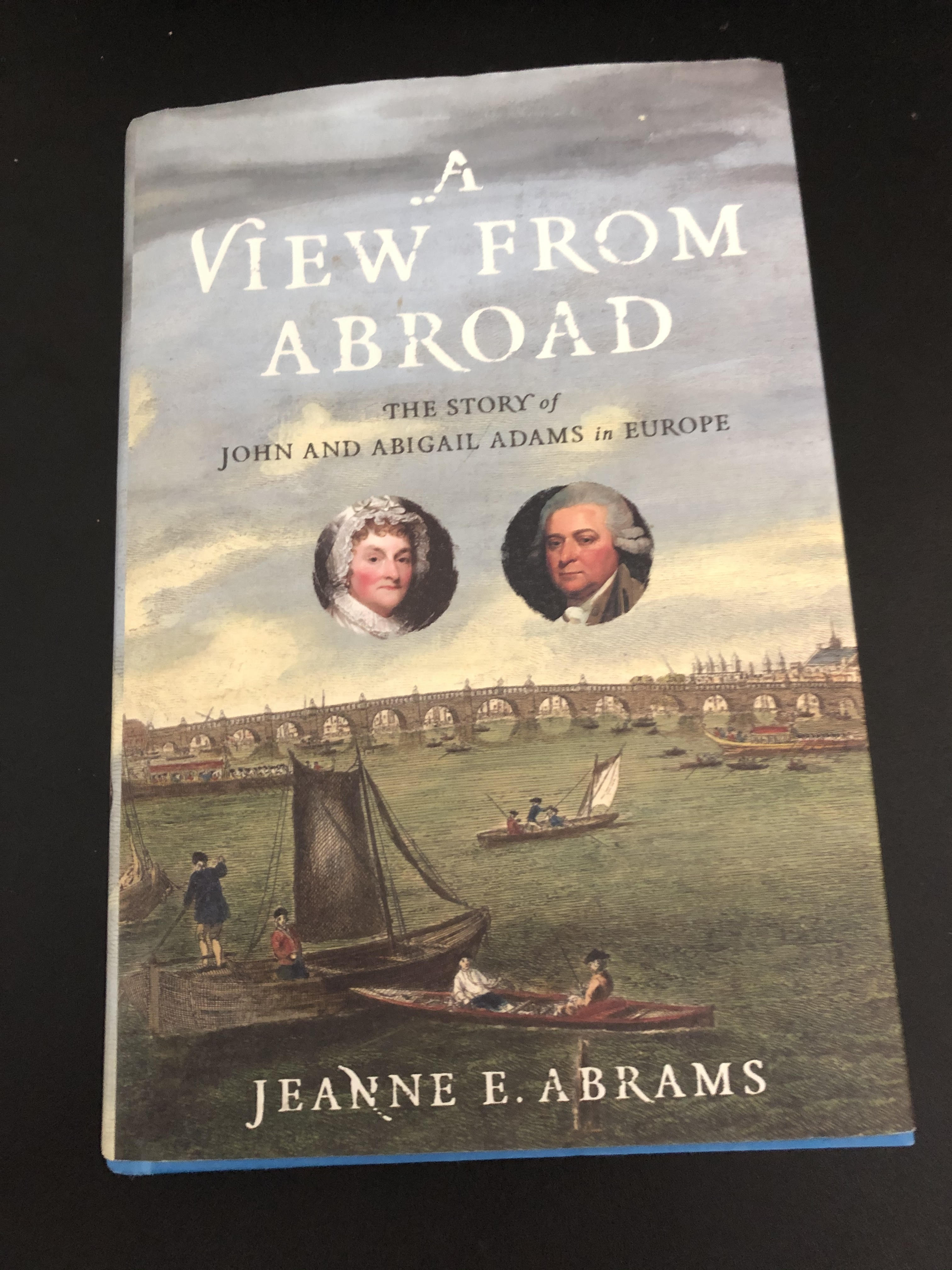
How can a writer bring a new perspective to a man – and a marriage – that ended two hundred years ago?
“Never doubt that a small group of thoughtful, committed, citizens can change the world. Indeed, it is the only thing that ever has.”
Margaret Mead
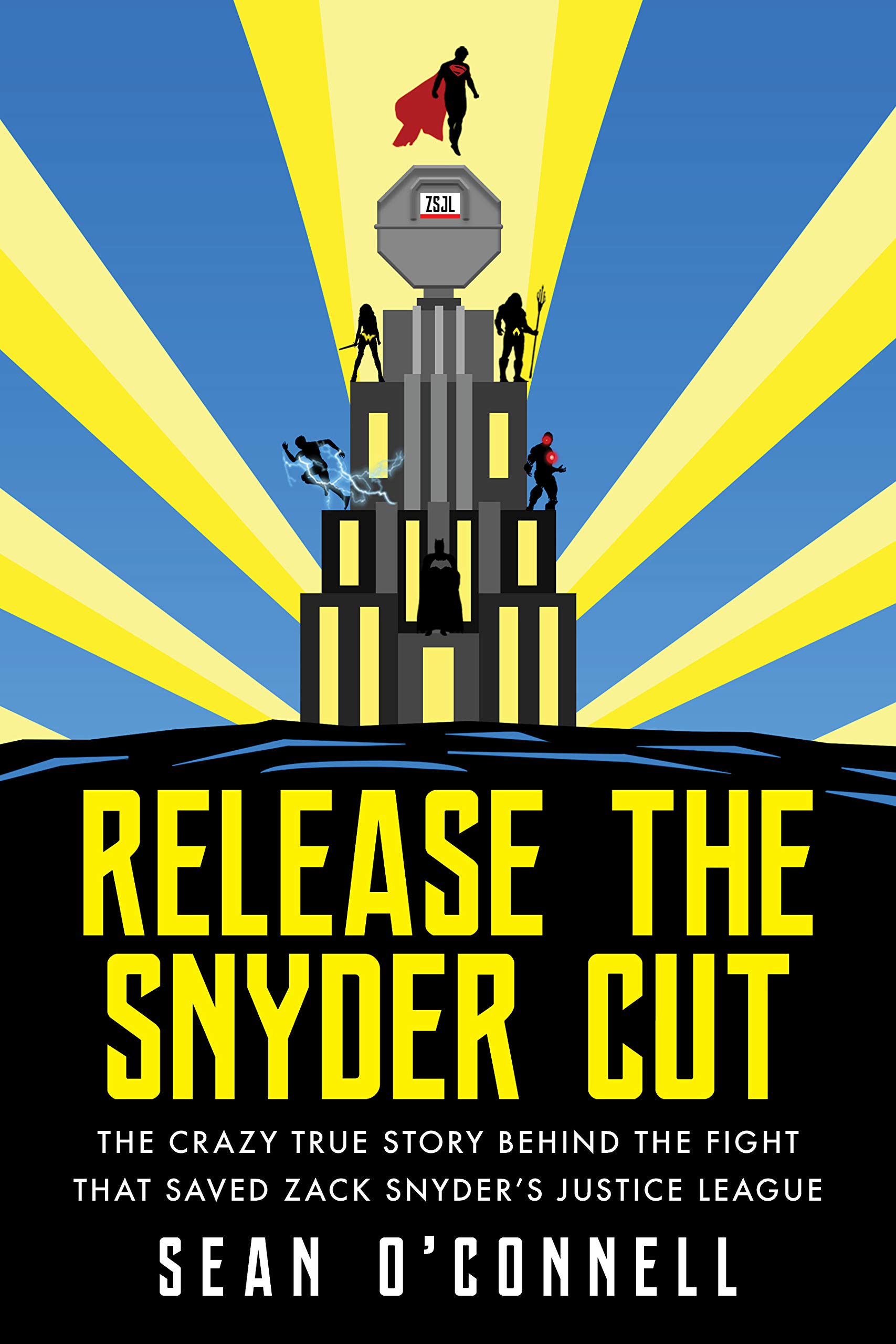
For more than three years, the Snyder Cut was part-myth and part-fantasy.

“Men write history, but women live it.”
Chloe Angyal
It’s true that history is written by the victors, but it’s also been predominately written by men. That is especially true in hip-hop. As the culture closes in on its fiftieth birthday, the contributions of women, whether behind the mic or behind the scenes, have been largely overlooked, marginalized, or outright ignored.
The Motherlode (Abrams, 2021) by Clover Hope could help begin to change that. A cogent and forceful entry in the ongoing need to give the ladies their due, it is a book that is undefinable, or at least not easily categorized, that also happens to be the definitive history of women in hip-hop.
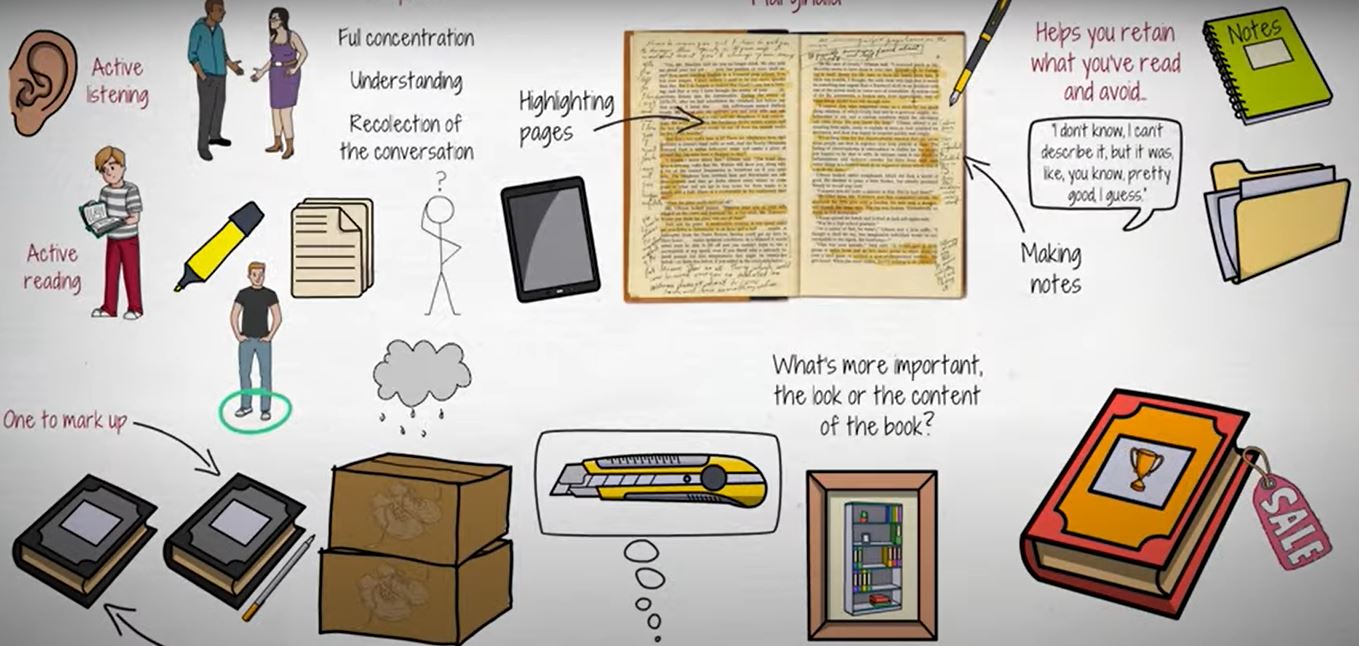
There’s a YouTube channel called the The Art of Improvement that does those funky illustrated videos to add a visual to written text.
Back in 2019, they asked if they could do the same for my essay “Get the Most Out of Your Books – Be an Active Reader.” I, of course, enthusiastically said yes! It’s a piece of which I’m quite proud, so to have someone not only appreciate it, but build on it in this way is very cool.
My seventh annual best of the year newsletter with the greatest books I enjoyed this year – both fiction and nonfiction.
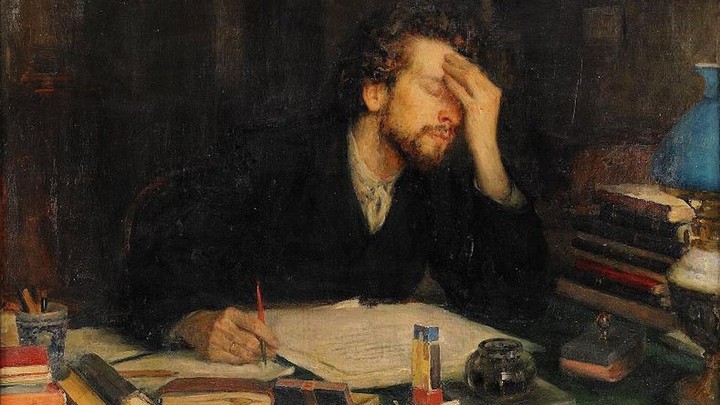
My latest newsletter was just sent out where I write about working out, discipline equaling freedom, loving yet another film that flopped, The Godfather novel, a rap song that made me feel like a teenager again, the books I read, and much more!
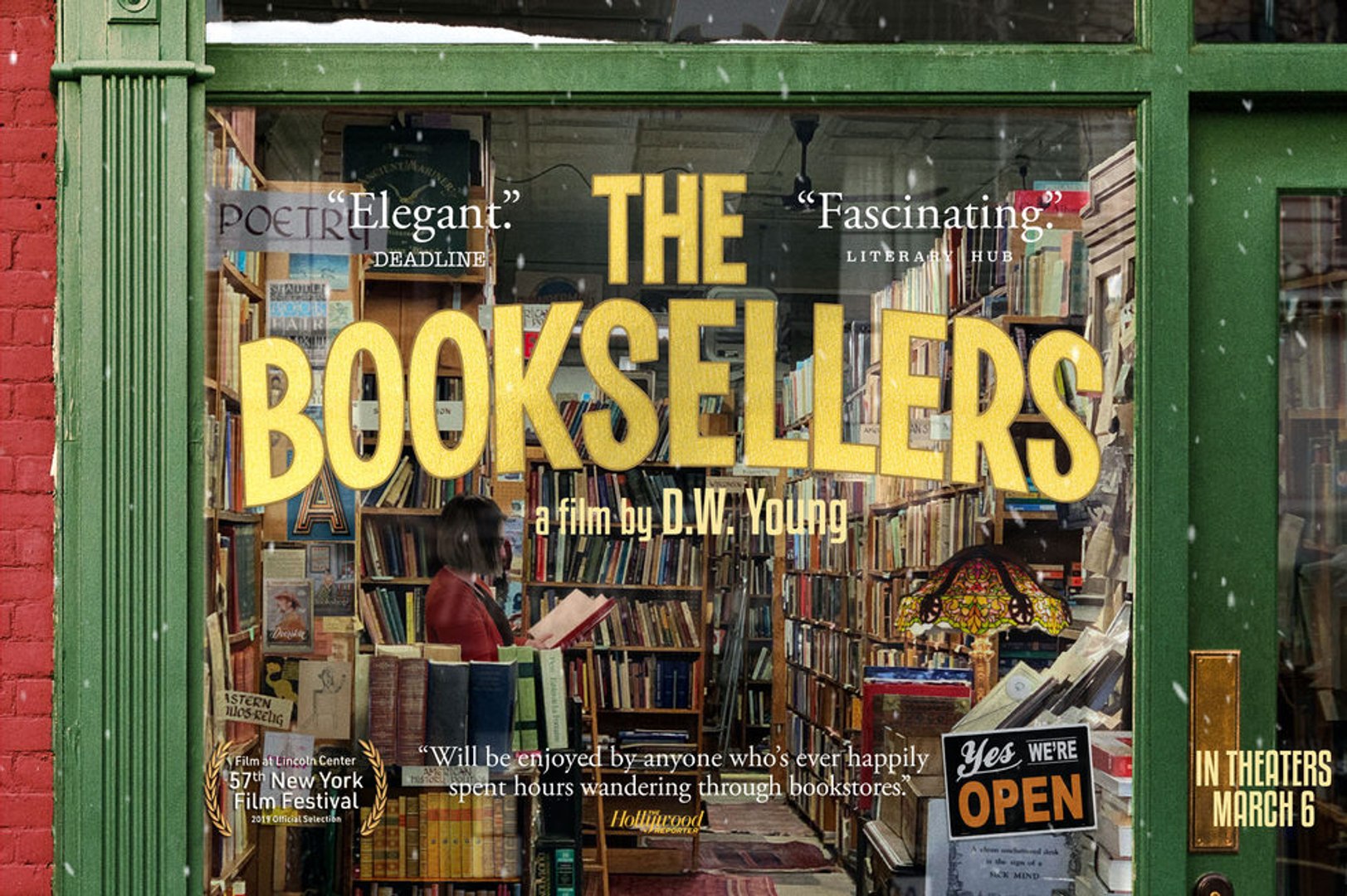
“The relationship of the individual to the book is very much like a love affair.”
Anyone that has studied or researched the finer points of books, particularly rare books, knows that it is a more complicated and layered world than most would imagine.
How do you identify a first edition? What makes a book rare? What is an “antiquarian” book? What makes a book valuable? And who are these people that dedicate their lives to answering such questions?
 The Passion of Christopher Pierznik